

Designer Kitchen Dado Tiles vs Standard Tiles: A Complete Comparison
Kitchen design has moved beyond basic functionality. Today, homeowners want every visible surface to contribute to the personality and visual harmony of the space. The kitchen dado, in particular, can become an important design element because it occupies a prominent wall area while also protecting surfaces from everyday splashes and stains. For homeowners planning to buy designer kitchen dado tiles, understanding the difference between designer and standard tiles can make the selection process easier. Ceramic Fashion Studio approaches surface design by bringing together creativity, technology, and contemporary architectural thinking, making it an interesting name to consider when exploring distinctive kitchen surfaces.
Buy Kitchen Dado Tiles According to Your Space
A beautiful tile is not automatically the right tile for every kitchen. Before you buy kitchen dado tiles, it is important to consider where these tiles will be installed and how the space is used.
A kitchen backsplash can encounter moisture, food splashes, grease, dust, and frequent cleaning. Consequently, tile selection should balance appearance with the practical requirements of the area. Factors such as finish, texture, cleaning requirements, water absorption, thickness, and installation conditions deserve attention.
The surrounding environment should also influence the decision. A small kitchen with limited natural light may benefit from surfaces that help create a brighter visual impression, whereas a large, well-lit kitchen may offer more flexibility for experimenting with deeper tones or expressive patterns.
We showcase designs for residential spaces as well as hospitality, commercial, and outdoor environments, reflecting our focus on adapting surface aesthetics to the character and requirements of each setting. This application-oriented approach can help homeowners explore kitchen surfaces that complement both the practical function and visual language of their interiors.
Best Kitchen Tiles Should Balance Style and Function
Searching for the best kitchen tiles should not be limited to finding the most fashionable pattern. A successful selection is one that works with the kitchen’s practical demands while complementing its overall design.
For example, a highly decorative tile may look impressive as an accent but could overwhelm a kitchen already featuring elaborate cabinets and countertops. Similarly, a plain surface may appear underwhelming when the rest of the room follows a minimalist design.
Consider these factors before making your selection:
- Kitchen size: Large patterns may work differently in compact and spacious kitchens.
- Lighting: Natural and artificial lighting can change the appearance of colours and finishes.
- Cabinet style: The dado should complement rather than compete with cabinet finishes.
- Countertop material: Consider whether the tile should match, contrast, or visually connect with the countertop.
- Cleaning needs: Kitchen surfaces should be selected with everyday maintenance in mind.
- Grout selection: Grout colour and spacing can significantly affect the final appearance.
This balanced approach helps prevent the common mistake of selecting tiles purely from catalogue photographs.
Texture and Finish Can Transform the Kitchen
The surface finish of a tile can have a major influence on the atmosphere of a kitchen. Glossy surfaces can create a reflective quality and may make certain spaces feel brighter, while matte finishes can deliver a softer and more understated appearance.
Textured surfaces introduce another dimension. These surfaces can create shadows and visual depth, but their suitability should be considered alongside cleaning and maintenance requirements.
Our published tile-buying advice highlights how finishes such as matte, glossy, rustic, satin, and other surface treatments can influence both appearance and practical performance. We recommend considering the lifestyle and requirements of the space instead of selecting a finish solely because it is visually attractive.
For a kitchen dado, this distinction is particularly relevant because the surface needs to remain visually appealing while dealing with regular exposure to everyday kitchen activity.
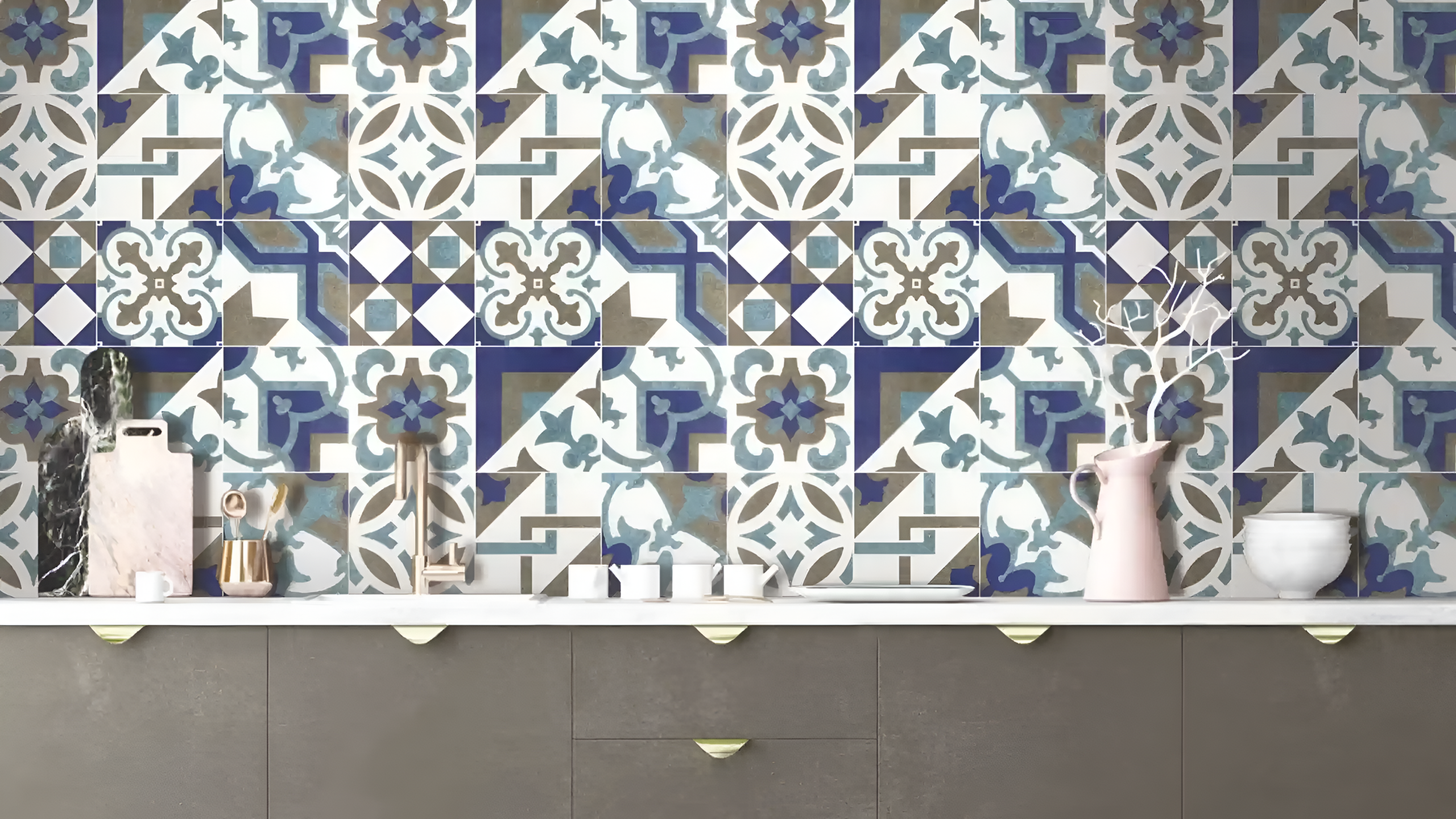
Look at Real Projects Before Finalising a Design
One useful way to understand how designer tiles can work is to examine completed installations. A catalogue can demonstrate colours and patterns, but real projects provide a better idea of how surfaces interact with architecture, lighting, furniture, and other materials.
Our executed projects are across several categories, including kitchens, living rooms, bathrooms, commercial spaces, restaurants and cafes, and outdoor settings. Our project is designed to demonstrate the brand’s attention to detail and design expertise through actual applications.
For homeowners, studying completed kitchen applications can help answer practical questions such as whether a particular pattern feels too dominant, how a finish responds to light, or how a decorative surface works alongside cabinetry.
Standard Tiles Still Have Their Place
Choosing designer tiles does not mean standard tiles are unsuitable. Standard options can be a sensible choice when simplicity, neutrality, and easy coordination are the primary goals.
A plain backsplash can provide a calm background when the kitchen already includes bold cabinets, patterned flooring, statement lighting, or decorative accessories. It may also suit homeowners who prefer a timeless appearance that does not compete with other interior elements.
Designer tiles become particularly compelling when the wall itself is intended to contribute to the visual story of the room. Therefore, the choice should be based on the kitchen’s design language rather than the assumption that one category is universally superior.
How to Choose a Dado That Complements Your Kitchen
Before finalising a tile, consider the complete kitchen rather than looking at the dado wall in isolation.
A practical selection process can include:
- Identify the overall style of the kitchen.
- Take accurate measurements of the dado area.
- Review tile samples in the actual kitchen.
- Observe the samples under different lighting conditions.
- Compare finishes with existing countertops and cabinets.
- Discuss grout selection with the installer.
- Account for cutting, breakage, and installation requirements.
- Select a surface that fits your maintenance preferences.
We recommend testing samples in the intended environment because lighting can alter how colours and finishes appear. Our guidance further highlights accurate measurement and allowing for cutting or installation-related wastage.
Why Ceramic Fashion Studio Can Be Considered for Designer Surfaces
For buyers interested in more than conventional tile aesthetics, we offer a design-focused approach supported by our long presence in the ceramic industry. Our Ahmedabad-based studio combines research, technology, experimentation, and creative development to create surface solutions suited to contemporary architecture.
Our company’s portfolio is not restricted to one room or one design category. By showcasing collections and completed applications across residential, commercial, hospitality, kitchen, bathroom, and outdoor spaces, we present surfaces as part of a broader architectural experience.
This perspective can be useful for you if you want your kitchen dado to connect naturally with the rest of their interior instead of appearing as an isolated decorative element.
Conclusion
The difference between designer and standard tiles ultimately comes down to the balance between visual expression, practicality, and the design goals of the kitchen. Standard tiles can offer a straightforward and timeless backdrop, while designer surfaces provide additional opportunities to introduce texture, pattern, character, and individuality. Those planning to buy designer kitchen dado tiles should evaluate finish, maintenance, lighting, dimensions, surrounding materials, and installation requirements before making the final choice.
Our philosophy is centered on “timing the changes,” and our portfolio spans kitchens, residences, hospitality, commercial spaces, and outdoor applications. Ceramic Fashion Studio can be a noteworthy choice for those seeking distinctive surfaces for contemporary interiors.
Need Help Choosing the Perfect Tiles?
Related Blogs
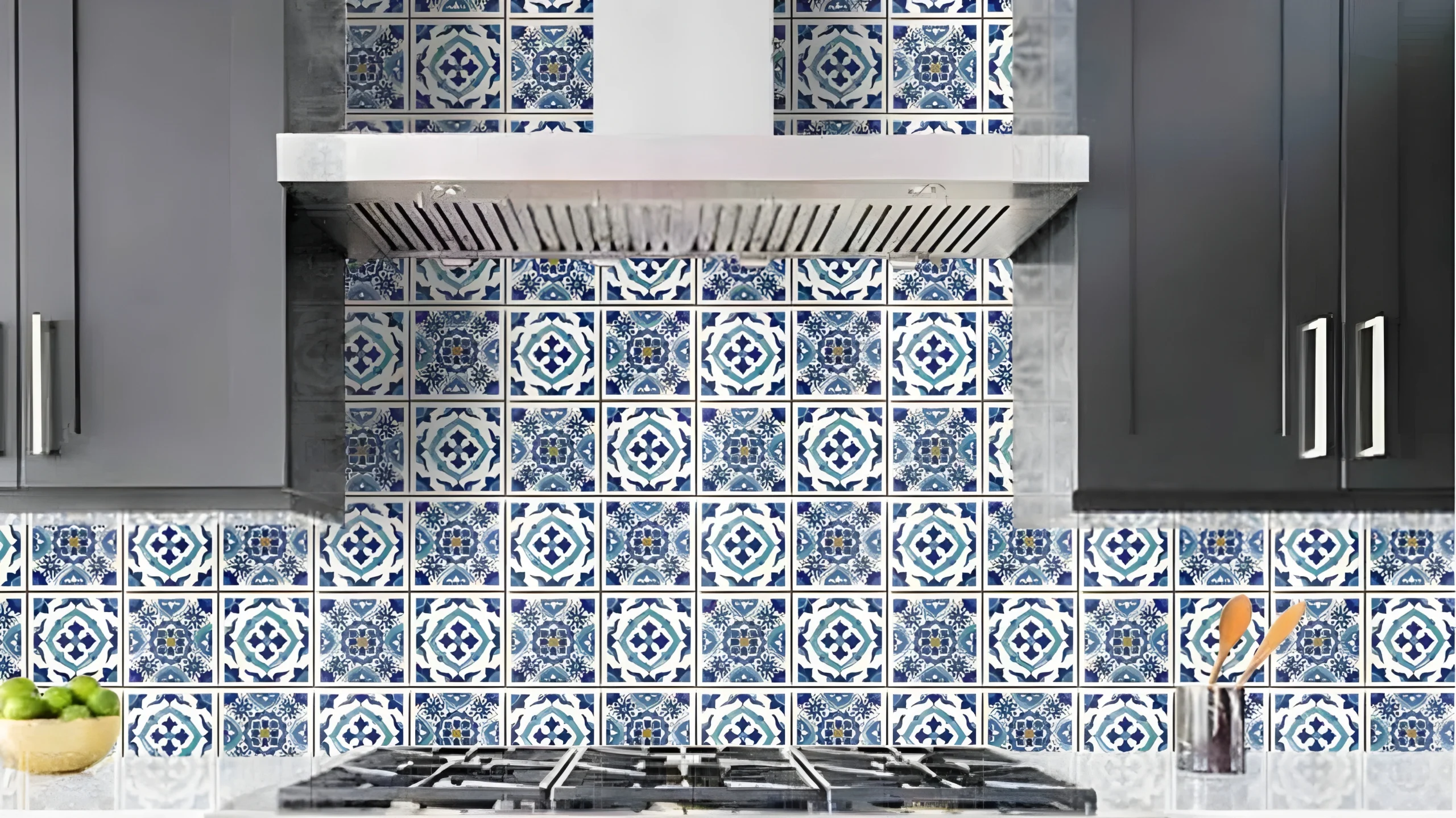
The Symbolism and Meaning Behind Moroccan Tile Patterns
Moroccan tiles, known for their intricate and vibrant designs, have captivated the world with their
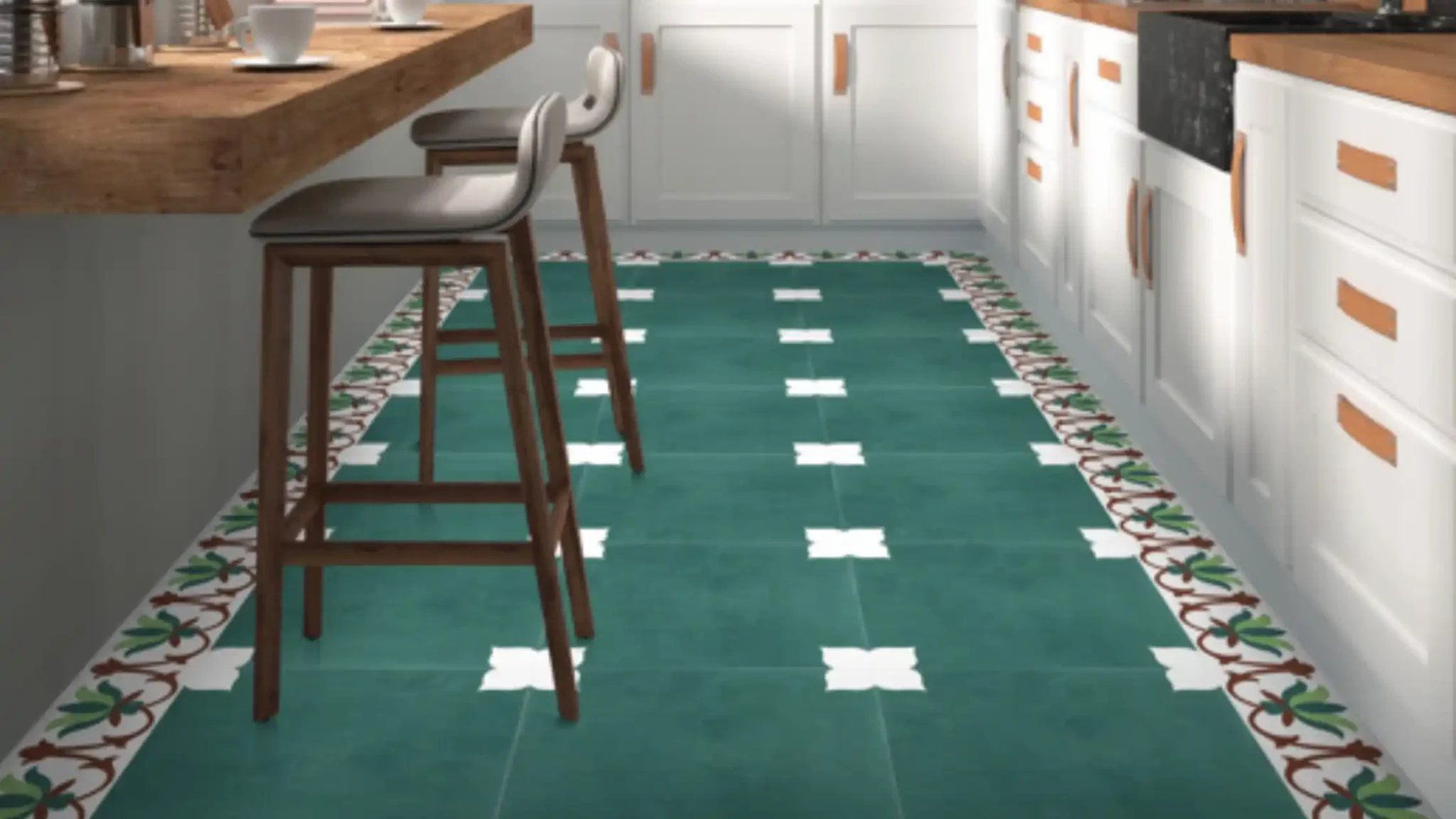
The Ultimate 2026 Guide to Color Tiles: Trends, Tips & Stylish Combinations for Every Room
Interior design continues to evolve as homeowners explore expressive and functional living spaces...
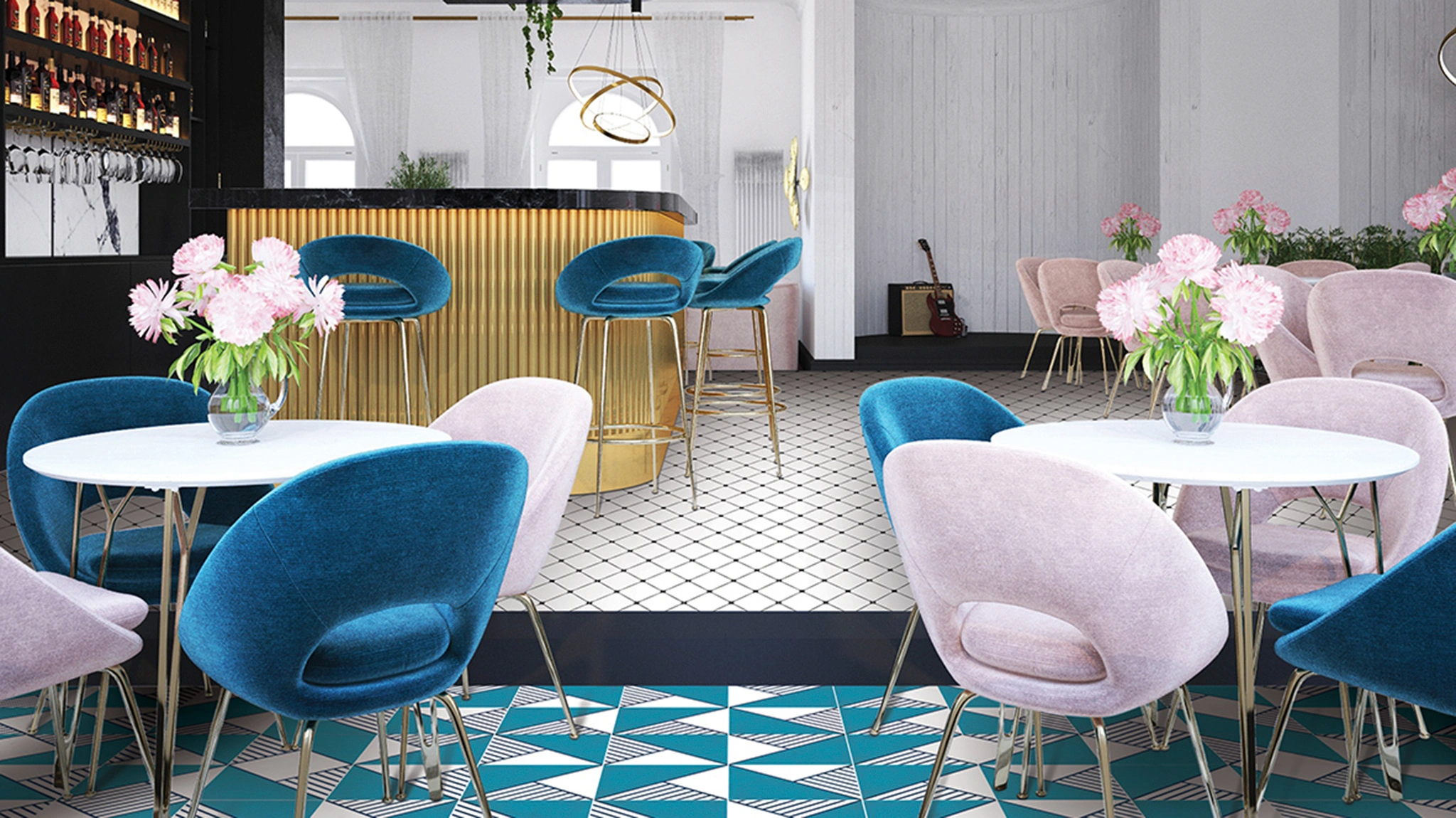
Budget-Friendly Pattern Tile Projects for Home Renovations
In-home renovation, one of the most impactful yet budget-friendly solutions is the use of Pattern Ti
Leave a Reply