

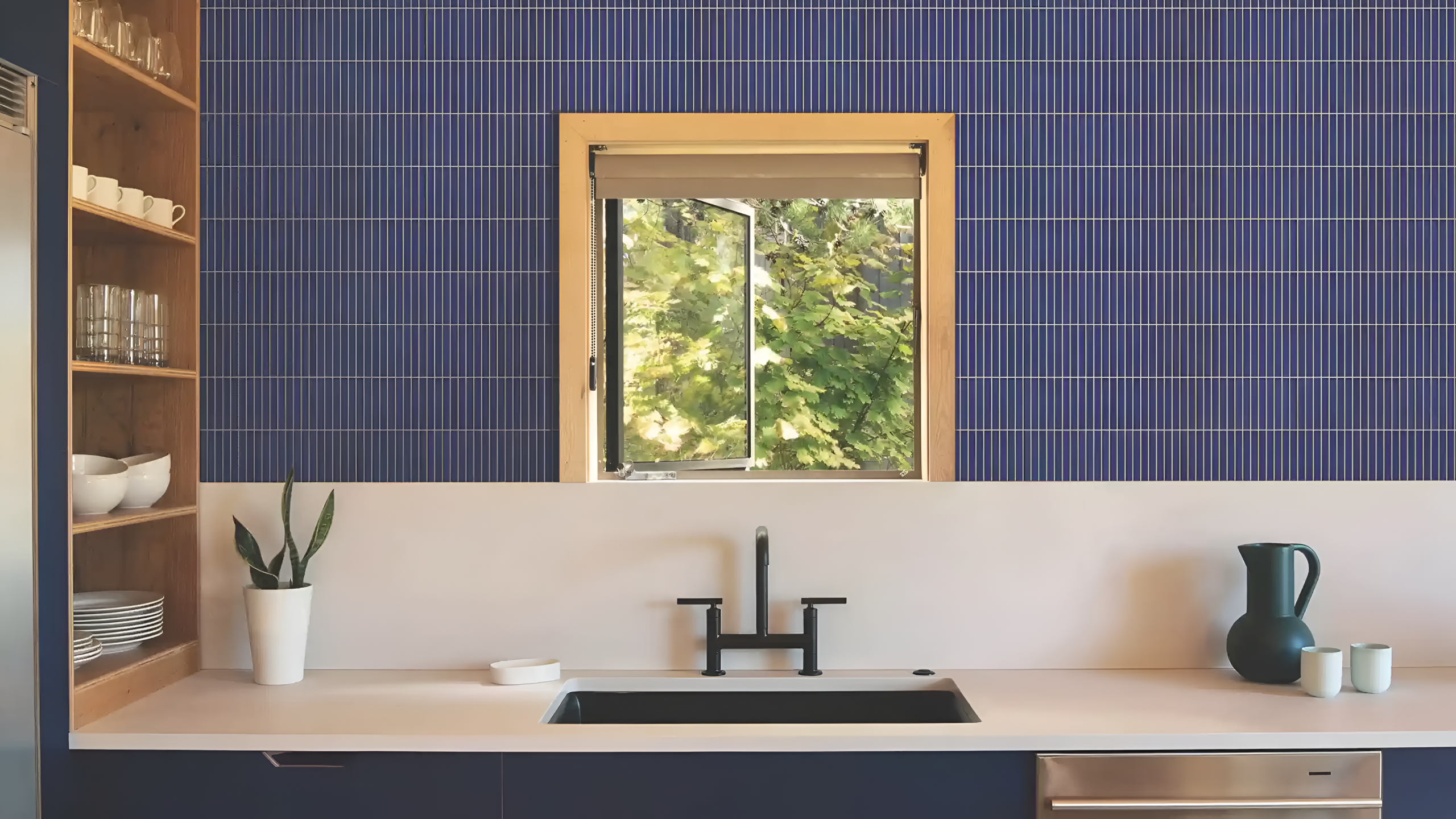
How Can Best Mosaic Tiles Turn Everyday Surfaces Into Design Statements?
A beautiful interior is shaped by how colours, textures, patterns, proportions, and surfaces work together. The best mosaic tiles can add character, depth, rhythm, and a distinctive visual identity without overwhelming the overall design.
But selecting the right mosaic involves more than choosing an attractive pattern. The design should complement the space, whether it is a calm bathroom, stylish kitchen, welcoming restaurant, or refined commercial setting. Thoughtful placement can make specific areas more expressive and balanced.
In this content, we will explore what makes mosaic surfaces effective, how to choose designs, where they work best, and how colours, textures, shapes, and finishes can create cohesive interiors. We will also examine the importance of craftsmanship, precision, and innovation.
Why Do Mosaic Surfaces Have Such Strong Visual Impact?
Mosaic design creates visual interest by combining repetition with variation. Although individual pieces may seem simple, their arrangement can form striking compositions. Colour, texture, and finish further influence the overall character of a space.
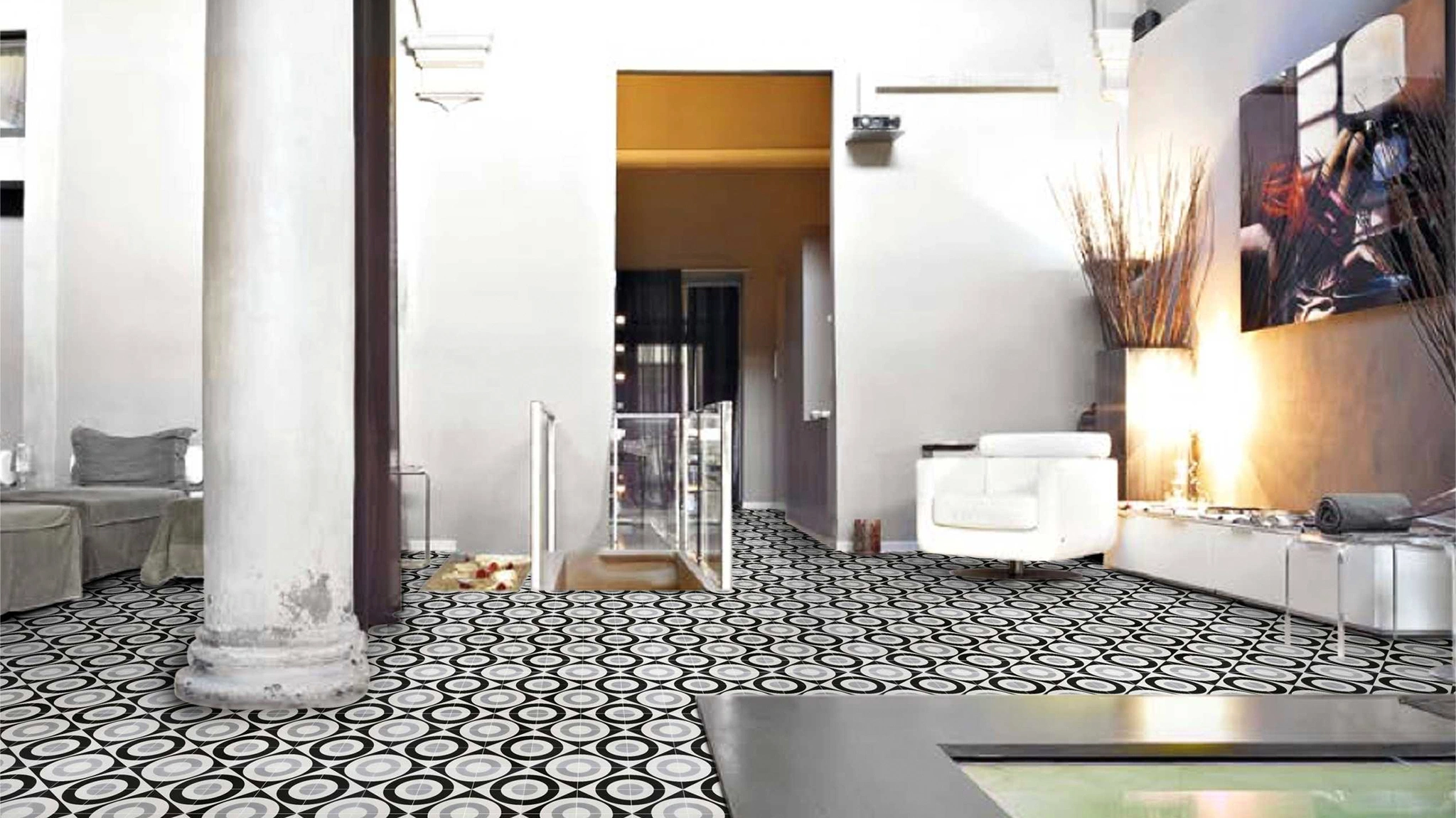
Similar shades create a calm, seamless look, while contrasting tones can establish a focal point. Likewise, geometric patterns feel structured and contemporary, whereas organic forms can create a softer atmosphere. Texture also changes how light interacts with the surface, adding depth. These qualities make mosaic floor tiles an effective choice for creating visual rhythm and character.
Scale plays an important role too. Smaller pieces create intricate detailing, while larger groupings offer a cleaner architectural statement, allowing mosaics to become an integral part of a room’s visual story.
How Do You Recognise the Best Mosaic Tiles?
The best mosaic tiles are not necessarily the most elaborate ones. Their value comes from how successfully design, craftsmanship, proportion, and application work together.
A strong mosaic should complement its surroundings rather than compete with everything else in the room. For example, a highly patterned surface may work beautifully when surrounding materials remain relatively restrained.
Look Beyond the Pattern
A pattern may attract attention initially, but the finish, colour variation, surface character, and overall composition determine how it performs within an interior.
Designers should therefore consider the complete visual language of the space. Flooring, wall treatments, furniture, lighting, and architectural details should feel connected.
Consider the Role of the Surface
A mosaic can be a background element, a transition between surfaces, or the primary visual feature. Defining its role before selecting a design can prevent an interior from becoming unnecessarily busy.
For instance, a feature wall can carry a distinctive pattern while adjoining surfaces remain quieter. Similarly, a carefully designed floor can establish rhythm throughout an open area.
Where Can Mosaic Design Add the Most Character?
One of the strengths of mosaic surfaces is their adaptability. They can work across residential, hospitality, commercial, and other architectural environments when the design is selected thoughtfully.
Bathrooms
Bathrooms offer an excellent setting for detailed surface design. A mosaic can define a shower area, create a feature wall, or introduce texture around selected architectural elements.
Here, balance is especially important. Too many competing patterns can make a compact room feel crowded. A focused application can instead make the surface feel intentional and refined.
Kitchens
In kitchens, surface design can help distinguish specific zones. A decorative treatment behind a work area can become a visual anchor while simpler surrounding surfaces maintain balance.
The relationship between cabinetry, worktops, flooring, and wall surfaces should guide the selection.
Restaurants and Cafés
Hospitality spaces often benefit from memorable visual details. A carefully composed surface can reinforce the personality of an establishment and contribute to the experience guests associate with it.
Here, designers can be more expressive with pattern, colour, and composition, provided the overall material palette remains coherent.
Living and Commercial Spaces
Mosaic detailing can also introduce identity into living rooms, reception areas, corridors, and commercial interiors. The key is to use the surface where it adds architectural value rather than simply covering every available area.
Can Different Tile Styles Work Together?
Combining different surfaces can add depth and character to an interior. A patterned tile can become the focal point, while plain or subtly textured surfaces create visual balance and prevent the space from feeling overwhelming.
For instance, the best mosaic tile designs can complement understated tiles in a similar colour family, creating a cohesive yet varied appearance. Similarly, combining smooth and tactile finishes introduces contrast without relying on bold colours.
Shape and size can also create rhythm. Different formats can work together when they follow a consistent palette and visual language. The goal is harmony, as surfaces do not need to match exactly when their colours, textures, and proportions feel intentionally connected.
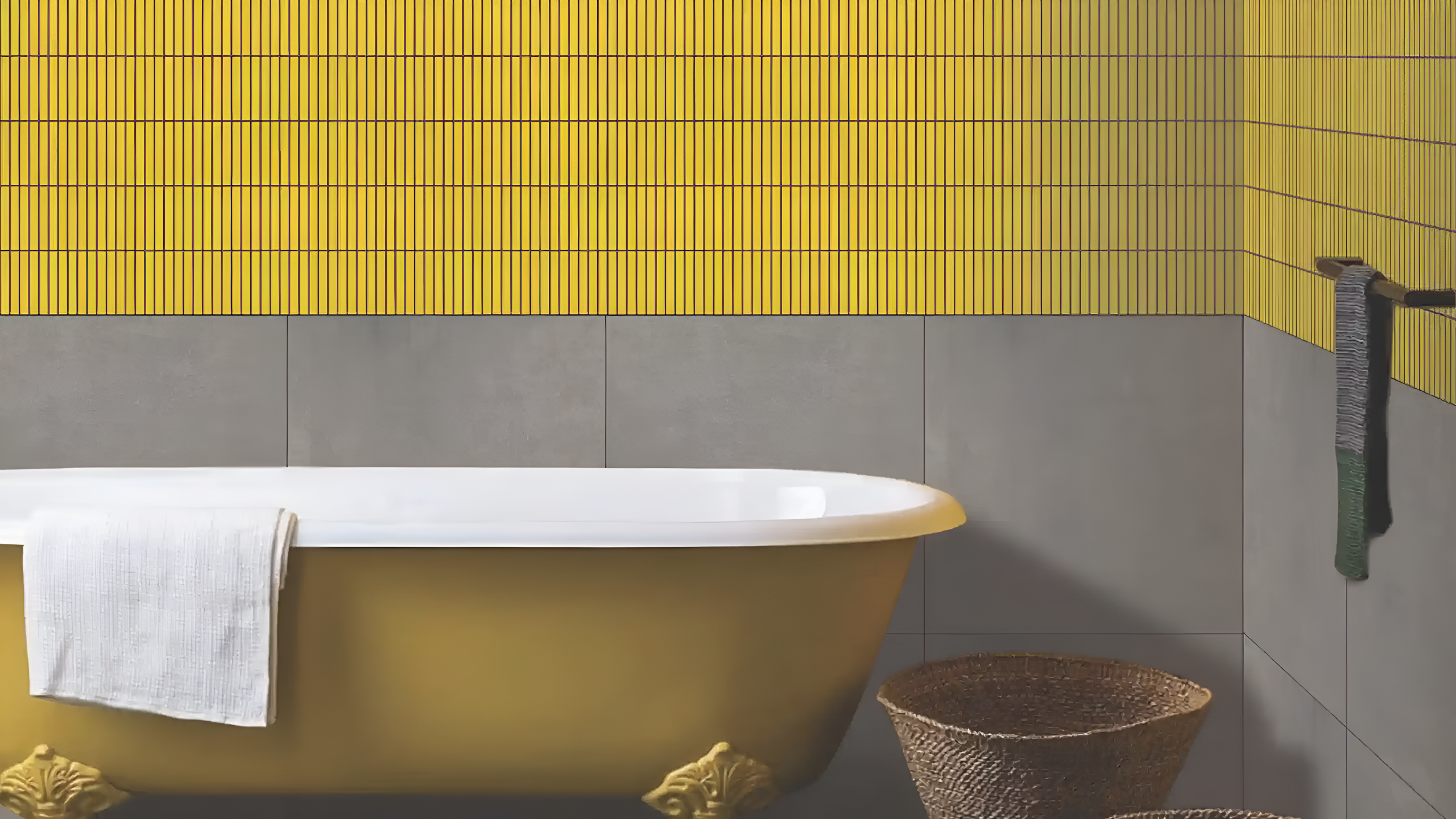
What Makes Designer Mosaic Surfaces Feel More Refined?
Luxury in surface design often comes from restraint rather than excessive decoration. A sophisticated interior depends on how colours, proportions, textures, and placement work together to create a balanced visual experience.
Designer mosaic tiles can add refinement when their details are carefully considered. Precision also matters, particularly for intricate patterns, as consistency helps preserve clarity and visual harmony across the composition.
Technology and craftsmanship work together to achieve this balance. Advanced production methods support detailed surface work, while design expertise keeps the result cohesive. Consequently, a refined surface should attract attention up close while blending naturally with the wider architectural environment, adding character without overpowering it.
How Should You Think About Mosaic Walls and Floors?
Walls and floors play different visual and functional roles, so their surface design should reflect how each area is experienced. Thoughtful choices can add character while maintaining balance.
Mosaic wall tiles can define feature walls, niches, transition areas, or decorative sections without requiring the same pattern throughout the room. On floors, mosaic tiles for floor can create rhythm, guide attention, and influence how movement through a space feels.
Feature flooring needs careful planning, particularly around centres, edges, corners, and transitions. When these elements connect seamlessly, the design feels complete. Therefore, mosaic surfaces should be viewed as one cohesive composition rather than a collection of individual pieces.
Why Does Craftsmanship Matter as Much as Design?
A beautiful ceramic concept can lose its impact without precise execution. Consistency, fine detailing, and quality at every stage help ensure that the finished surface reflects the original design with clarity and character.
The journey begins with an idea and continues through manufacturing, where technology and skilled expertise bring the concept to life. Careful quality control further ensures that details, colours, and finishes maintain their intended appearance, especially in intricate ceramic surfaces.
Sustainability also has an important place in contemporary design. Responsible creativity considers production practices alongside aesthetics. Therefore, exceptional ceramic design is not only about the finished appearance, but also the expertise, discipline, and care behind its creation.
Create a Surface That Feels Truly Yours
At Ceramic Fashion Studio, we approach ceramic surfaces as expressions of architectural character rather than purely functional finishes. Our design philosophy brings together artistry, precision, advanced Italian technology, and an appreciation for global aesthetics.
We work with designers and architects who want surfaces to contribute meaningfully to their interiors. From distinctive patterns to carefully balanced textures and finishes, we focus on creating compositions that feel considered from every angle.
If you are exploring the best mosaic tiles for a refined residential, hospitality, or commercial project, we invite you to explore our collections and discover surfaces that can give your concept a stronger point of view.
Explore the collections and craft your signature space with us.
Conclusion
Mosaic design allows architects and interior designers to turn functional surfaces into meaningful visual elements. The right combination of colour, pattern, texture, scale, and placement can completely change how a space is experienced.
The best mosaic tiles are ultimately those that belong naturally within the architecture while still giving the interior its own personality. Whether used as a restrained detail or a defining feature, thoughtful surface design can make an ordinary space feel distinctly memorable.
Ultimately, successful mosaic design is about creating harmony between aesthetics and the character of a space. When every surface is selected with purpose, the result feels cohesive, refined, and personal, allowing the interior to leave a lasting impression.
Need Help Choosing the Perfect Tiles?
Related Blogs
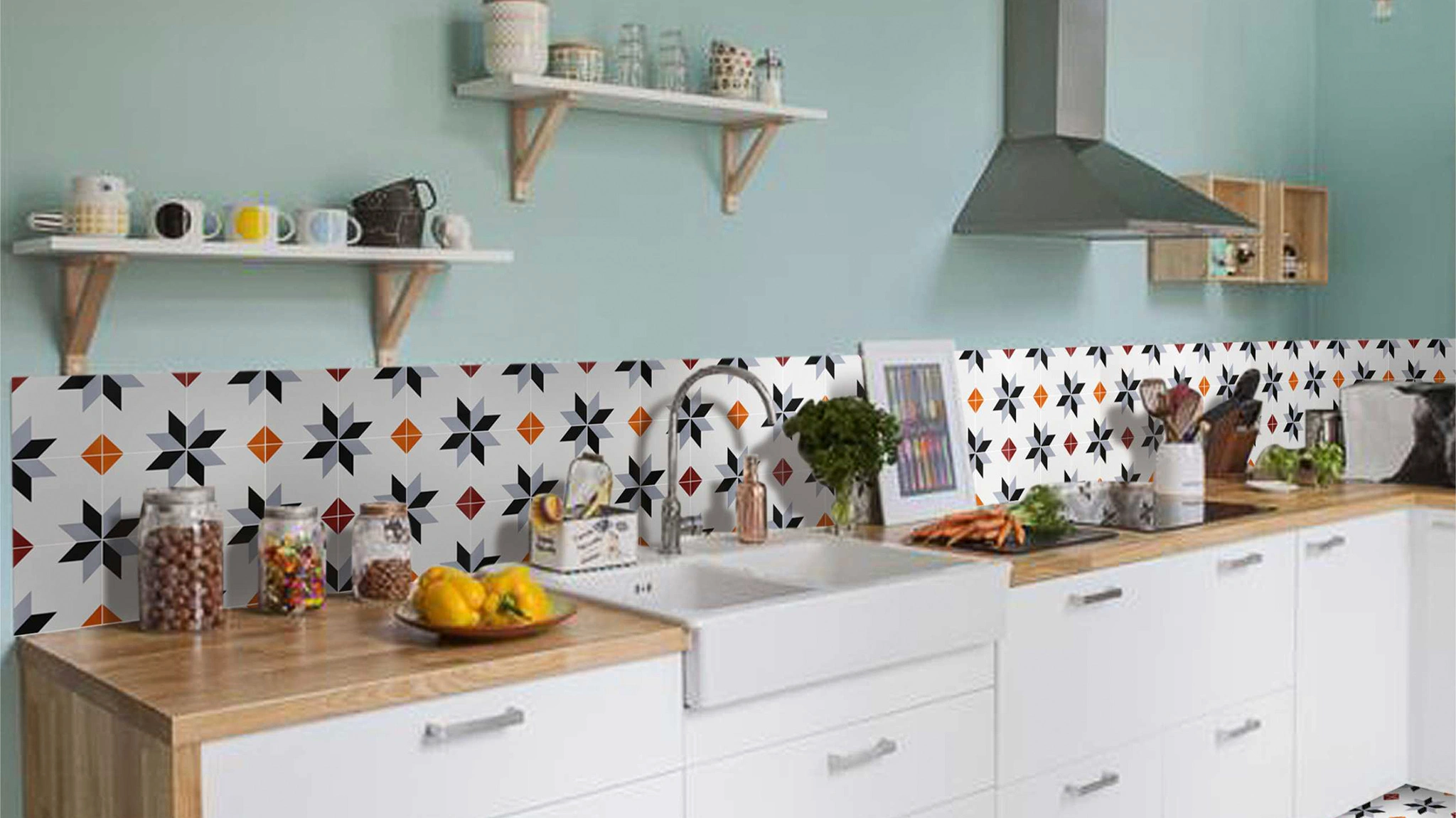
Kitchen Tile Trends 2025: The Ultimate Design Guide
Kitchen design is changing fast in 2025. Modern kitchen wall tiles design are no longer just functio
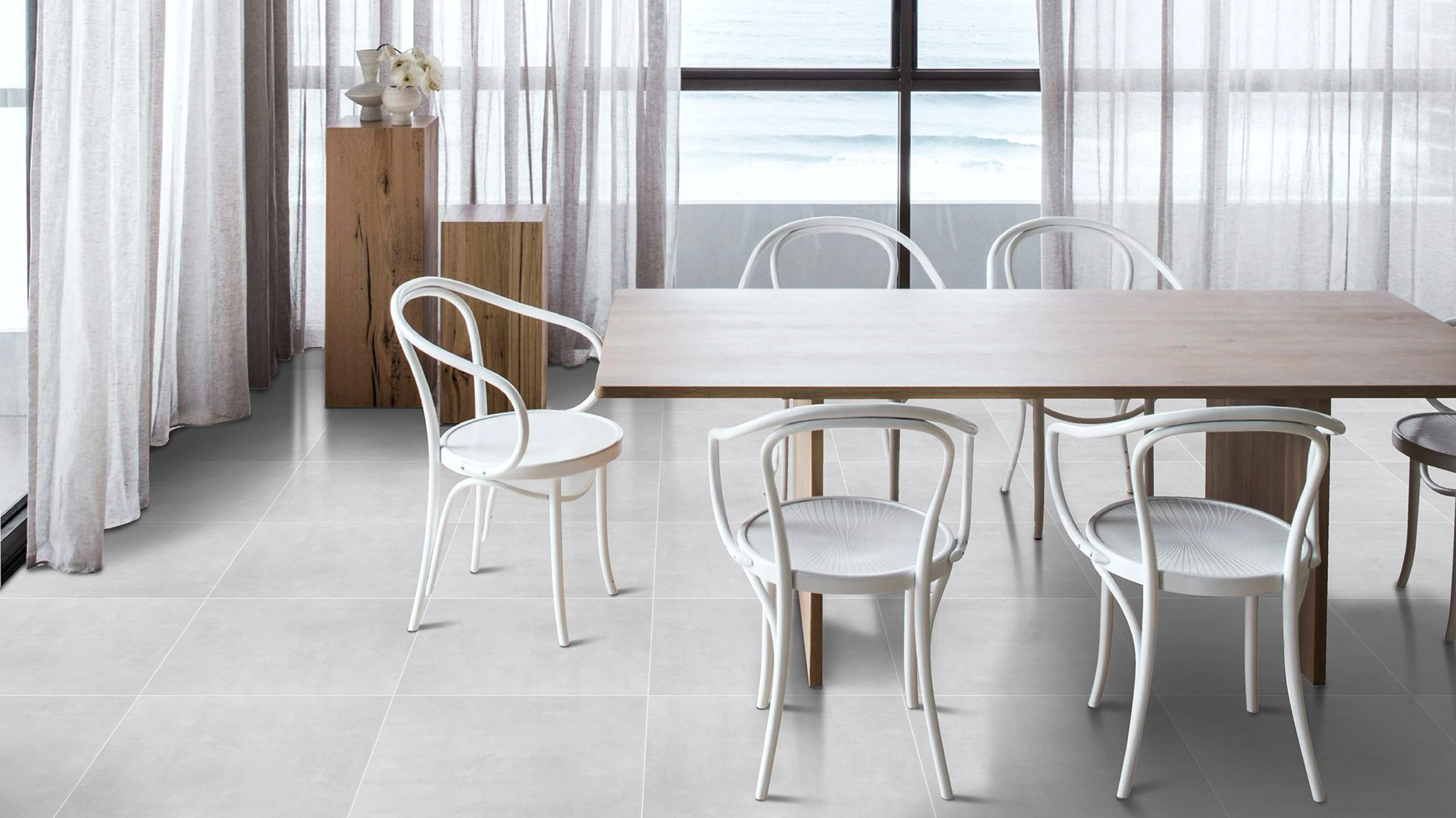
How GVT Tiles Enhance Strength, Style, and Longevity?
Modern architecture demands materials that balance beauty with endurance. Flooring choices influence
Reviving Vintage Charm: The Best Pattern Tiles for Classic Interiors
Classic interiors never go out of style, and one of the most captivating ways to achieve a timeless
Leave a Reply