

Modern Bathroom Tiles: Stylish Design Ideas for Every Space
Bathrooms have evolved beyond purely functional areas into spaces where comfort, personality, and design come together. The right bathroom tile ideas can help define the character of a bathroom while making the space easier to maintain and visually balanced. From compact powder rooms to spacious master bathrooms, different layouts call for different tile sizes, colours, textures, and patterns.
When planning tile ideas for different bathroom spaces, it is useful to consider the room’s size, lighting, moisture exposure, flooring requirements, and overall interior style. The blog explores practical tile concepts for different bathroom areas, compares popular tile materials, and explains how thoughtful combinations can create attractive and functional spaces.
Create Contemporary Looks With Refined Tile Designs
Clean lines, subtle textures, and understated colours are among the defining features of contemporary bathroom interiors. A modern bathroom tile can introduce a sophisticated appearance without making the room feel visually crowded. Large-format tiles, soft neutral shades, concrete-inspired finishes, and understated stone patterns can work particularly well in modern settings.
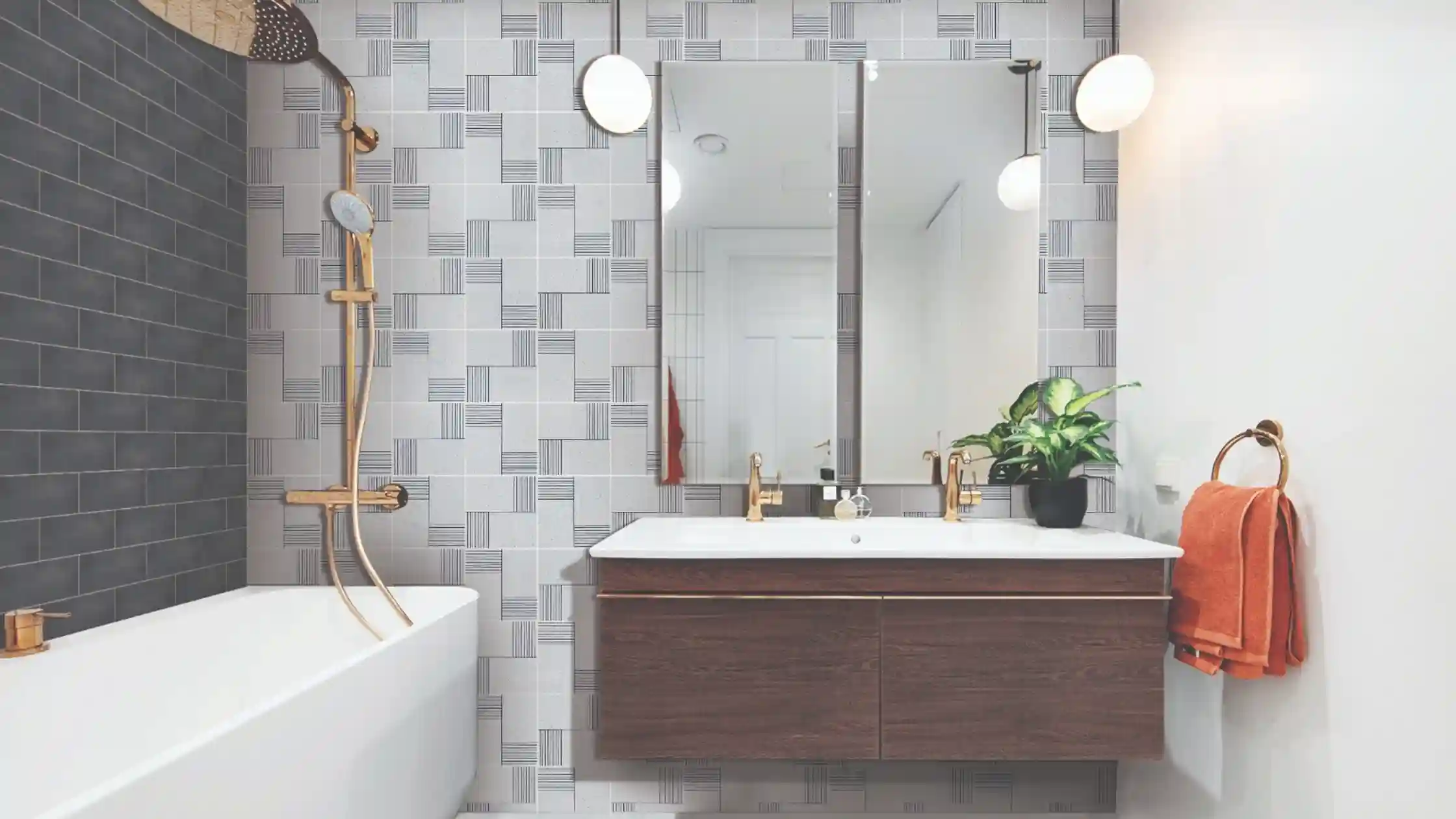
For smaller bathrooms, lighter colours can create a more open visual effect, while darker tones can add depth when used thoughtfully. Geometric patterns can also become a focal point when applied to a shower wall or selected feature area rather than throughout the entire room.
Texture is another useful design element. Matte finishes can provide a softer appearance, while lightly textured surfaces can add visual interest. Combining two complementary finishes can create separation between different zones while maintaining a cohesive design.
Mixing finishes is another way to add depth. Matte tiles can provide a soft, contemporary feel, while gently textured or polished surfaces can introduce contrast. Pairing complementary colours and finishes across floors and walls can further strengthen the overall design while keeping the bathroom visually cohesive.
Choose Tile Styles That Balance Function and Design
The right tile should complement both the practical requirements and visual character of a bathroom. A bathroom tile selection should account for factors such as moisture exposure, cleaning requirements, slip resistance, room dimensions, and the placement of fixtures.
For shower areas, designers can use coordinated wall and floor surfaces to establish a unified appearance. Decorative tiles may be reserved for niches, vanity backsplashes, or accent walls, allowing them to attract attention without overwhelming the room. In larger bathrooms, contrasting tile patterns can help visually separate the bathing, vanity, and storage areas.
Colour coordination is equally important. White and beige tiles can create a timeless setting, while grey and charcoal tones can provide a contemporary feel. Blue, green, terracotta, and patterned surfaces can introduce personality when used as accents. Matching grout carefully with the tile can either emphasise individual shapes or create a smoother, continuous appearance.
Different bathroom zones can also use different tile styles without making the room feel disconnected. For example, a subtle floor pattern can be paired with a textured shower wall, while a decorative tile can highlight the vanity area. Coordinating colours between these surfaces creates visual continuity.
Compare Materials Before Selecting Your Bathroom Tiles
Selecting the right tile is an important part of creating a bathroom that combines visual appeal with everyday practicality. Factors such as the room’s design, level of moisture, maintenance needs, and expected usage can all influence the ideal material.
When homeowners buy bathroom tiles, material selection should be based on appearance, durability, maintenance, installation requirements, and the specific location where the tile will be installed. Porcelain, ceramic, and natural stone each offer distinctive characteristics, making them suitable for different design objectives.
| Feature | Porcelain Tiles | Ceramic Tiles | Natural Stone Tiles |
| Composition | Dense, refined clay | Clay-based material | Naturally formed stone |
| Water Resistance | Generally very good | Generally good | Varies by stone and treatment |
| Durability | Highly durable | Durable for many applications | Durable but requires appropriate care |
| Design Options | Wide range of colours and patterns | Extensive styles and finishes | Unique natural patterns |
| Maintenance | Relatively easy | Relatively easy | Often requires sealing and regular care |
| Best For | Floors, walls, showers | Walls and suitable floors | Feature walls, floors, luxury spaces |
| Appearance | Consistent and contemporary | Versatile and decorative | Distinctive and organic |
Before making a purchase, it is helpful to compare samples under the bathroom’s actual lighting. Tile appearance can change considerably between showroom lighting and natural or artificial light at home. Considering grout colour, tile orientation, and pattern repetition can also influence the finished look.
Coordinate Bathroom Floors and Walls With Purpose
Flooring can establish the foundation for the entire design, so its colour and pattern should work naturally with the walls and fixtures. When homeowners buy bathroom floor tiles, they should pay particular attention to grip, durability, moisture exposure, and everyday maintenance.
Feature walls behind a vanity or bathtub can create a strong visual focal point, while consistent wall tiles can make a smaller bathroom appear more streamlined. For wall surfaces, those who buy bathroom wall tiles have greater flexibility to experiment with decorative patterns, textures, colours, and larger formats.
Tile size can also influence perception. Large-format tiles may make a compact room feel less fragmented because fewer grout lines are visible. Smaller tiles, meanwhile, can introduce pattern and character, particularly around niches, backsplashes, and selected feature sections.
Another effective approach is to use a common colour across different tile formats. For example, a large-format floor can be paired with a smaller patterned wall tile that shares one of its dominant tones. This creates contrast while keeping the overall bathroom visually connected.
Explore Ceramic Fashion Studio’s Surface Design Approach
Ceramic Fashion Studio has been developing ceramic surface solutions since 1994 and describes its approach as combining technology with creative surface design. Our company offers wall and floor solutions for contemporary architecture and different lifestyle requirements, with bathroom surfaces included among its applications.
Our collections and completed projects encompass bathrooms, kitchens, residential spaces, commercial environments, restaurants, and outdoor applications. Our broad design connects naturally with the idea of selecting bathroom surfaces according to the character and requirements of each individual space.
For homeowners and designers exploring contemporary bathroom concepts, this approach reinforces an important principle: tiles should not be selected solely as individual products. Colour, texture, format, layout, and surrounding surfaces should work together to create a complete interior.
Conclusion
From choosing durable materials to coordinating floor and wall surfaces, every design decision can contribute to the finished result. Porcelain, ceramic, and natural stone each offer different possibilities, while patterns, textures, and tile formats provide additional ways to personalise the room. Thoughtful bathroom tile ideas can transform ordinary bathrooms into comfortable, stylish, and visually cohesive spaces.
With our focus on innovative wall and floor solutions and contemporary surface design, Ceramic Fashion Studio provides a relevant platform for exploring these possibilities. Whether designing a compact bathroom or a spacious master suite, considering the room’s practical needs alongside its visual character can help create a space that remains functional and appealing over time.
Need Help Choosing the Perfect Tiles?
Related Blogs
How GVT Tiles Enhance Strength, Style, and Longevity?
Modern architecture demands materials that balance beauty with endurance. Flooring choices influence
Choosing the Right Designer Floor Tiles for High-Traffic Areas
When it comes to selecting floor tiles for high-traffic areas, durability and aesthetics are paramou
Top 10 Mistakes to Avoid When Buying GVT Tiles for Your Project
Planning to upgrade your space with beautiful GVT tiles? You’re not alone. From homeowners revampi
Leave a Reply